
Stephen Lewis
Legacy of a Canadian leader

Canadian human rights icon, Stephen Lewis, died yesterday in Toronto after a life of caring for people and daring to fight for a better world.
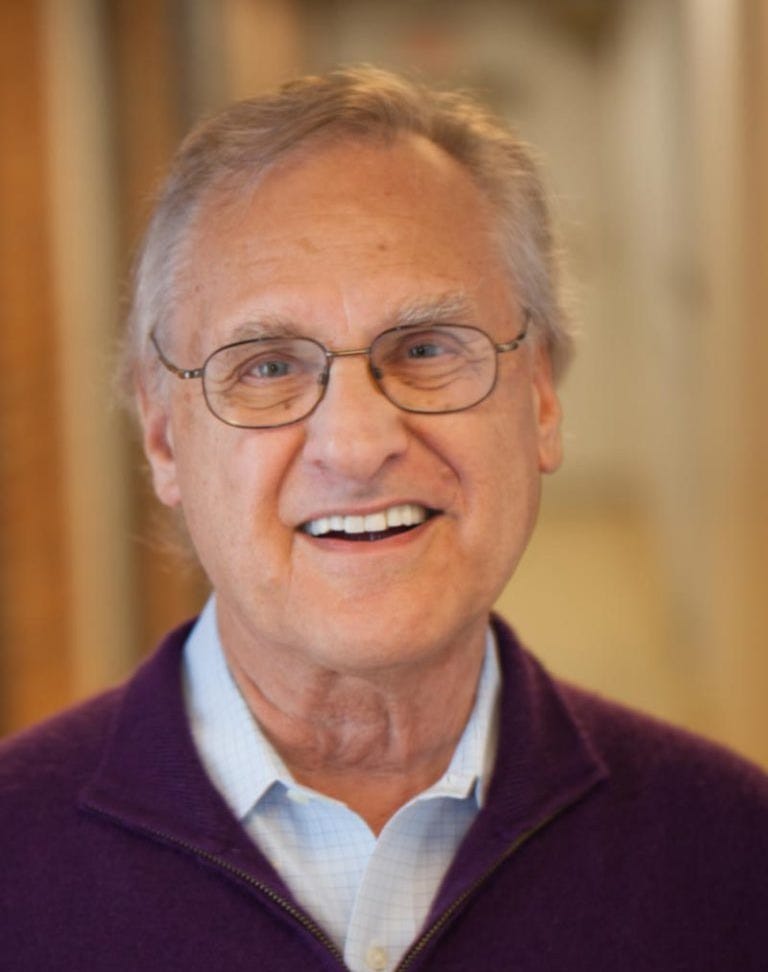
The list of his accomplishments – leader of the Ontario NDP and Official Opposition, Canada’s Ambassador to the United Nations during the fight against apartheid, deputy director of UNICEF, UN Special Envoy on HIV/AIDS in Africa, and founder of the eponymous Stephen Lewis Foundation – is beyond impressive, his was a remarkable life of service at the highest echelons.
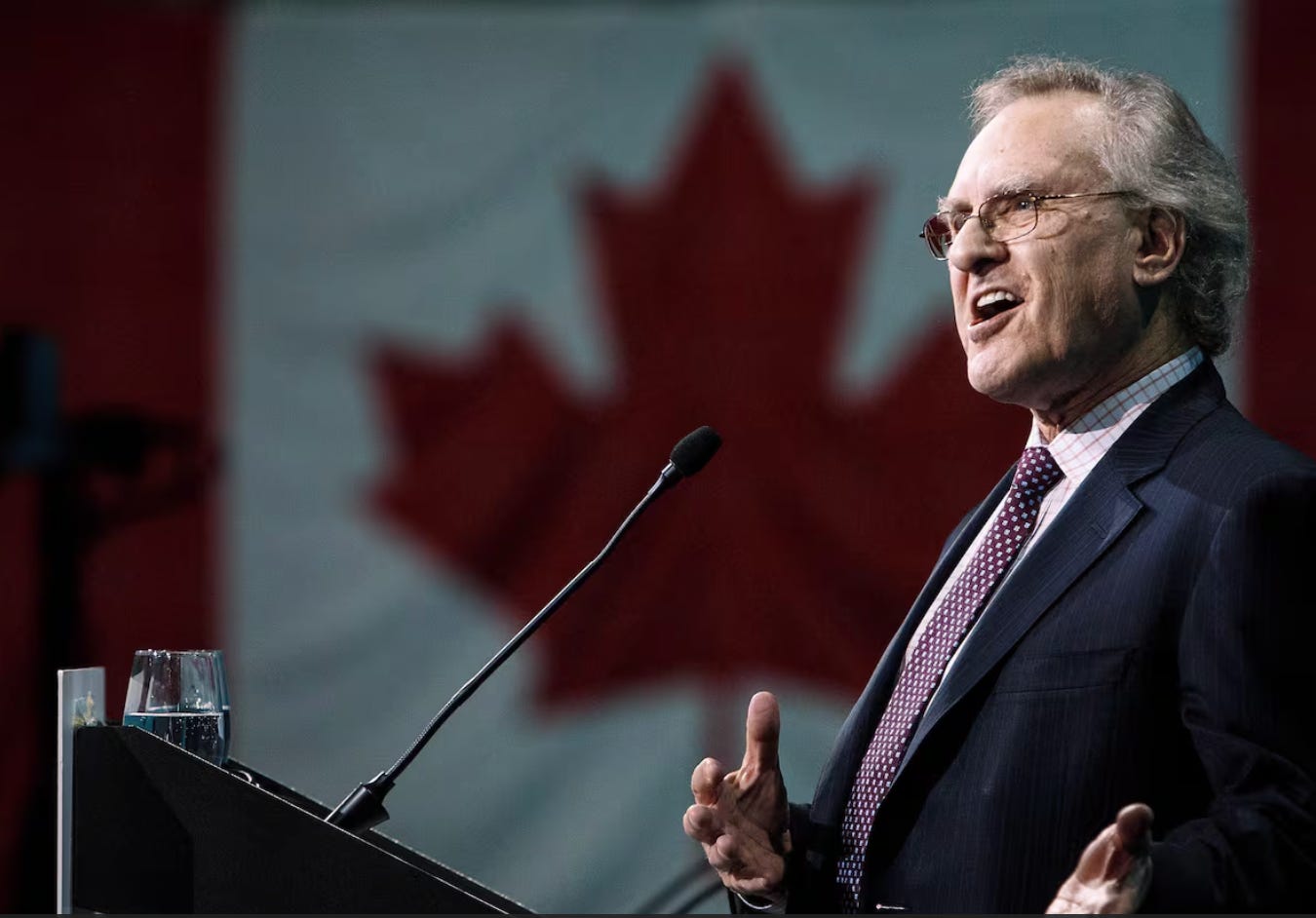
Anyone who ever saw Stephen Lewis speak will recognize how words like eponymous and echelon are fitting elements in a description of his life. He never evaded erudition, using terms like antediluvian without sounding old-fashioned. His speeches were challenges to our minds, and our morals, calling on us to be our best selves.
I recall seeing him speak at the Knox United Church in Saskatoon when I was in medical school. He would get the crowd rolling with his sparkling wit and vocabulary. This would include his go-to Saskatchewan story of being an organizer near Estevan in the sixties, with a joke about how the local pronunciation of the town Bienfait (if you know you know) did more to set back relations with French Canadians than any federal policy. Once he had the audience enthralled with his wit, he would then recount the heart-wrenching stories of a generation of orphans being raised by grandparents because all of the parents were dying of AIDS.
I left that event with a group of inspired friends and an idea that would eventually become Making the Links, a program that trains students to work with underserved populations in Canada and overseas. It’s a small thing, but an example of the way Lewis motivated those who heard him to be unsatisfied with the state of the world yet still believe that change was possible.
Lewis was outspoken in his work as UN Special Envoy, including in his landmark book, Race Against Time. His efforts were part of a greater movement that eventually led to a profound change in policy and in people’s lives. When I was first in Mozambique in 2002, we watched patients die of the opportunistic infections that characterize advanced HIV and had nothing to offer them. Over the years, as the world finally stopped resisting the idea that African people could and should receive care for this deadly disease, we saw the rates of new cases and deaths from AIDS decline steadily. Today, access to treatment is widespread and HIV is a manageable chronic illness. This is threatened by the withdrawal of the US from meaningful aid programs, but I am hopeful we will never go back to those dark times.
“It gives one hope, the great strength of Africa.” Stephen Lewis
Over the years, through politics and medicine, I had a chance to speak with Stephen a few times. He was gracious and generous with his time, and was especially enthusiastic about our work in Lesotho, where he’d been honoured by the king for his work advocating on behalf of the tiny, landlocked country that had been hit so hard by HIV.
Stephen was diagnosed with cancer eight years ago and had held on for far longer than expected. Perhaps now we know what he was holding on for, as he passed just two days after his son, Avi, was elected leader of the federal NDP. In his acceptance speech, the junior Lewis described how his father was demanding daily, in-depth campaign updates from his hospital bed, an “IV drip of campaign data.”
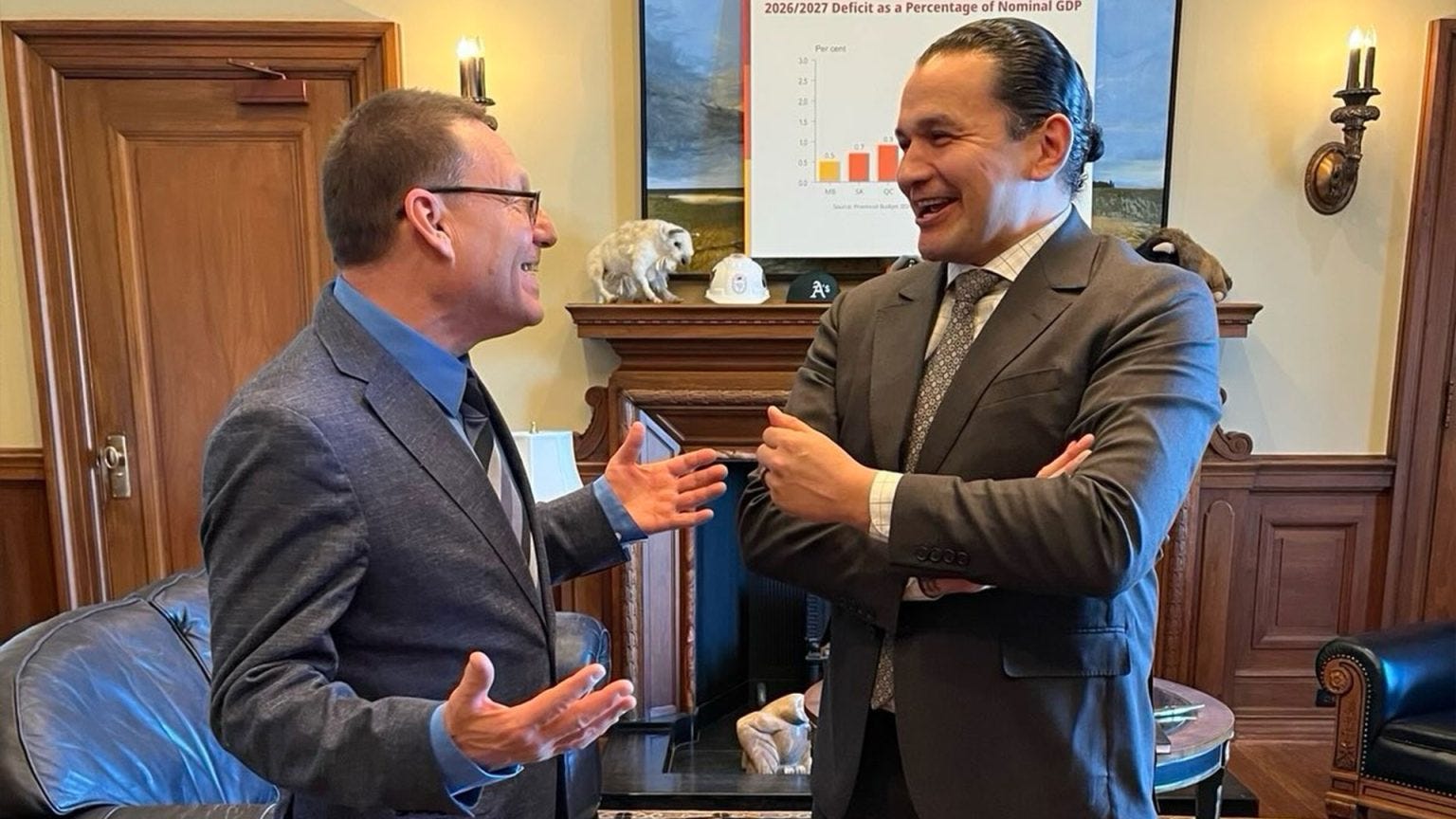
Avi now takes on an enormous role without the day-to-day counsel of his father. Hopefully, he will be able to draw on those extra years of time together and wisdom shared as he works through the challenges of rebuilding a battered federal party. His leadership is already facing its first such challenge, with Western party leaders distancing themselves from his leadership. The exception is Manitoba Premier Wab Kinew. His family has been close with Lewis’s, and he was on stage at the federal convention and posted a moving tribute on Stephen’s passing, though they too will have policy differences.
For my own part, I can’t say I agree with all of Avi’s policies, and were I still in provincial politics, we would likely butt heads over some ideas. That said, I was struck by his undeniably impressive leadership campaign and by his boldness and passion, qualities a rebuilding party can’t do without. I’ve also found him to be, like his father, decent, approachable and generous with his time.
These tensions between provincial and federal parties are not new, though they may be intensifying. This is perhaps something Stephen would understand, having had to face down the Waffle in his own time as a party leader. I do note that there have been fitting tributes to his father from those same Western NDP leaders and even offers to connect. Perhaps this moment of loss and reflection can also lead to a rapprochement (to use a Stephen-worthy word) and better relations moving forward.
For now, we celebrate a life of unparalleled leadership at home and on the world stage. Canada may never see another human rights advocate like Stephen Lewis. But we can continue to benefit from his example. May his legacy be a continued call for many, many more Canadians to be as caring and as daring in their commitment to a better, healthier world.
Thanks for writing about this inspiring man. The world needs more like him. I was saddened to hear of his passing.
Thank you for expressing what many of us feel. Great tribute