
Northern Exposures
Reflections from Nunavut

This is not a Blue Umbrella post, but I did think you might like to know about our new single: Tropical Storm, now streaming where you stream:
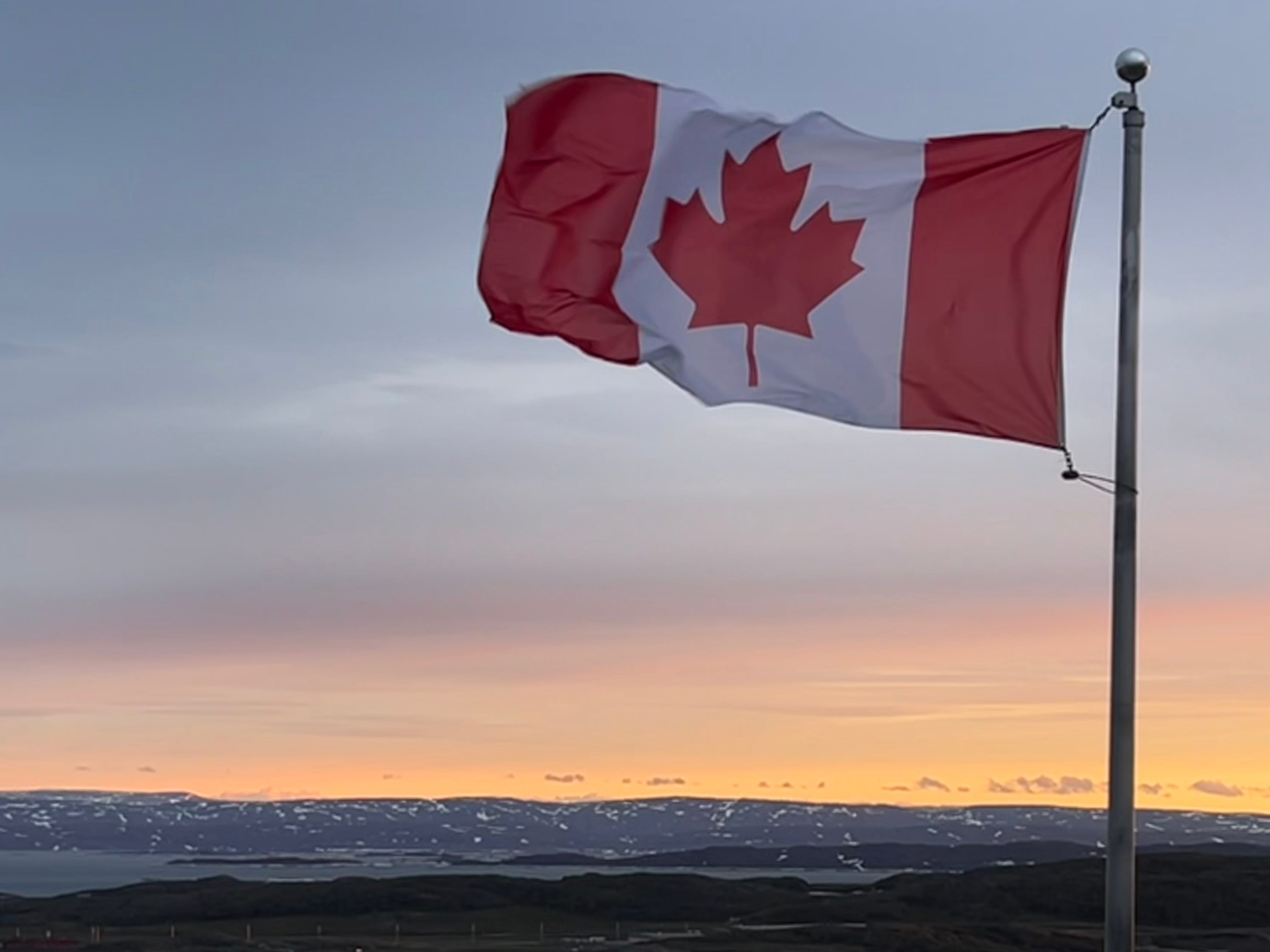
This past week, I had a uniquely Canadian experience. It was the last day of a locum (substitute doctor) stint in Whale Cove, Nunavut, on the Hudson Bay coast,
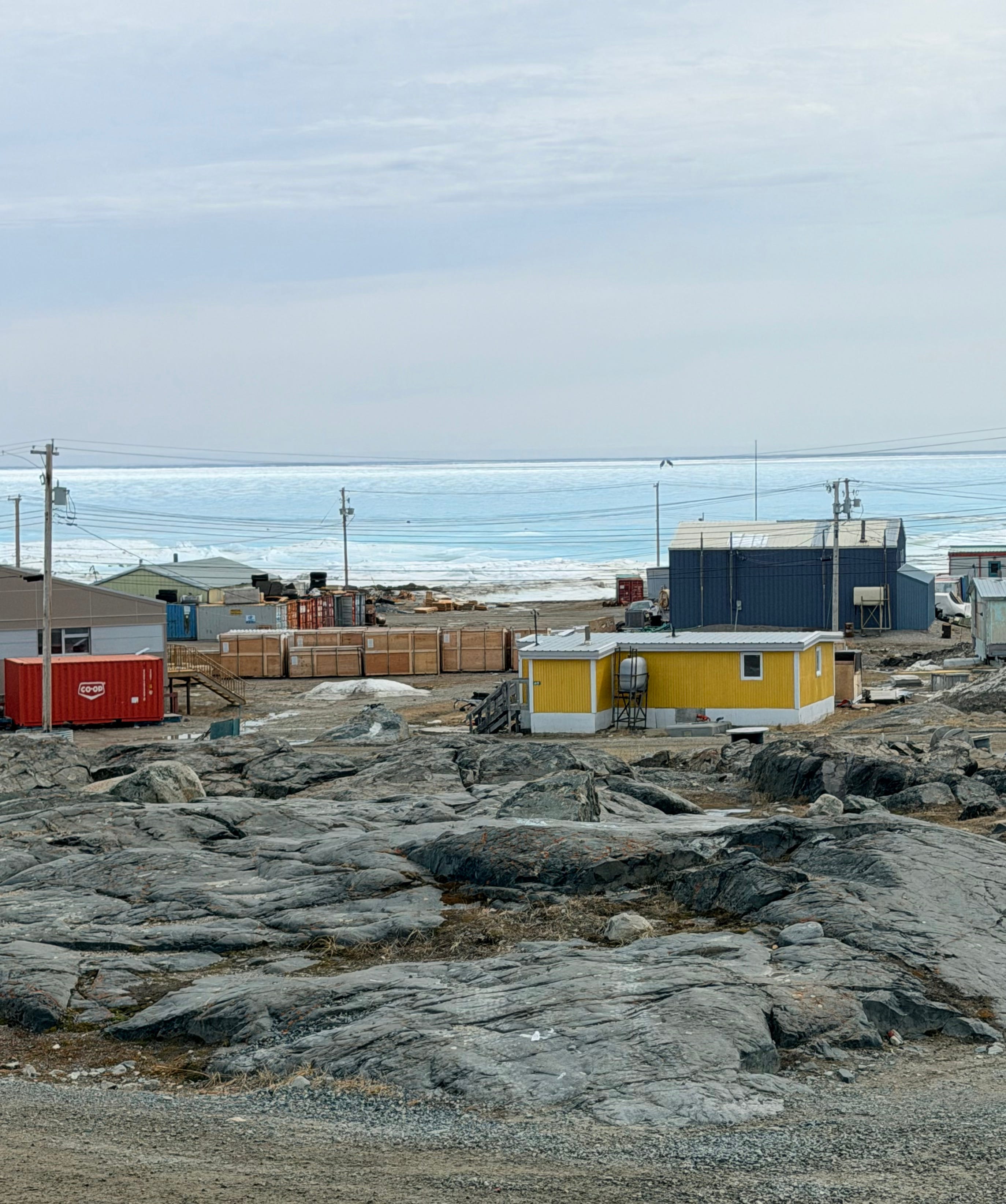
and I had some time to kill before my plane left. The week had gone by quickly, with full days of clinic and walks on the rocks.


This was my second time in Whale Cove, and my fourth visit to Nunavut in the past year. Two of those trips were in the summer’s midnight sun, two in the midday dark of winter. I’d gone up last summer with colleagues from Partners In Health Canada to explore the possibility of connecting the PIH approach to addressing health challenges in the territory.


My first Whale Cove visit, filling in for a colleague who’s currently in Malawi with PIH and has been working in NU for years, was in February. Wind chills of fifty below meant the explorations were minimal and I hardly left the clinic.
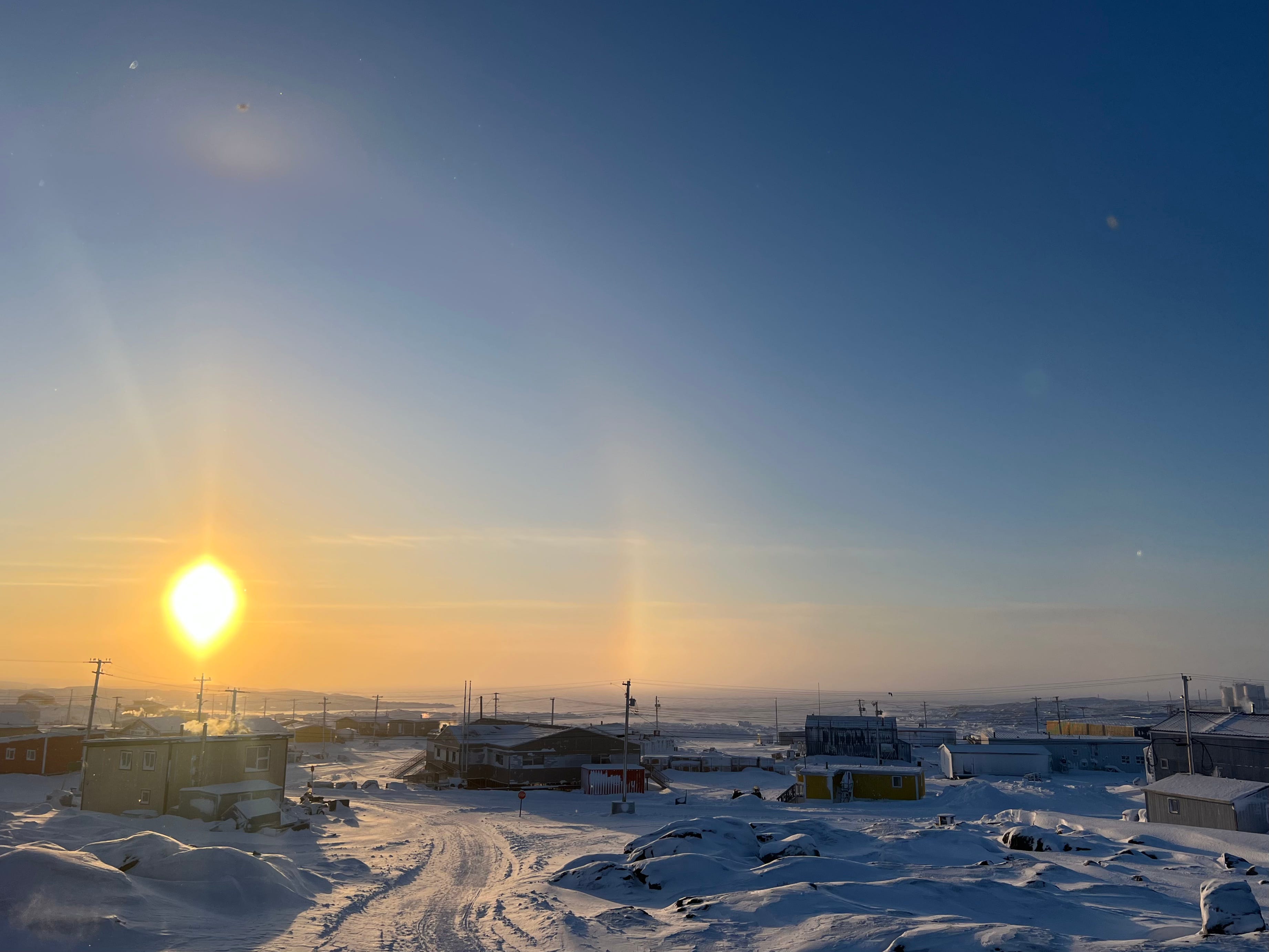
That first tour taught me a lot about the Nunavut health system and the challenges of providing care in a small, remote community. I also returned to Iqaluit for more meetings and learning, with a focus on the role of community health workers.


There are winter things to say about health in Nunavut, including about the similarities with the caribou country of Northern Saskatchewan, about crowded housing and tuberculosis and high rates of youth suicide.
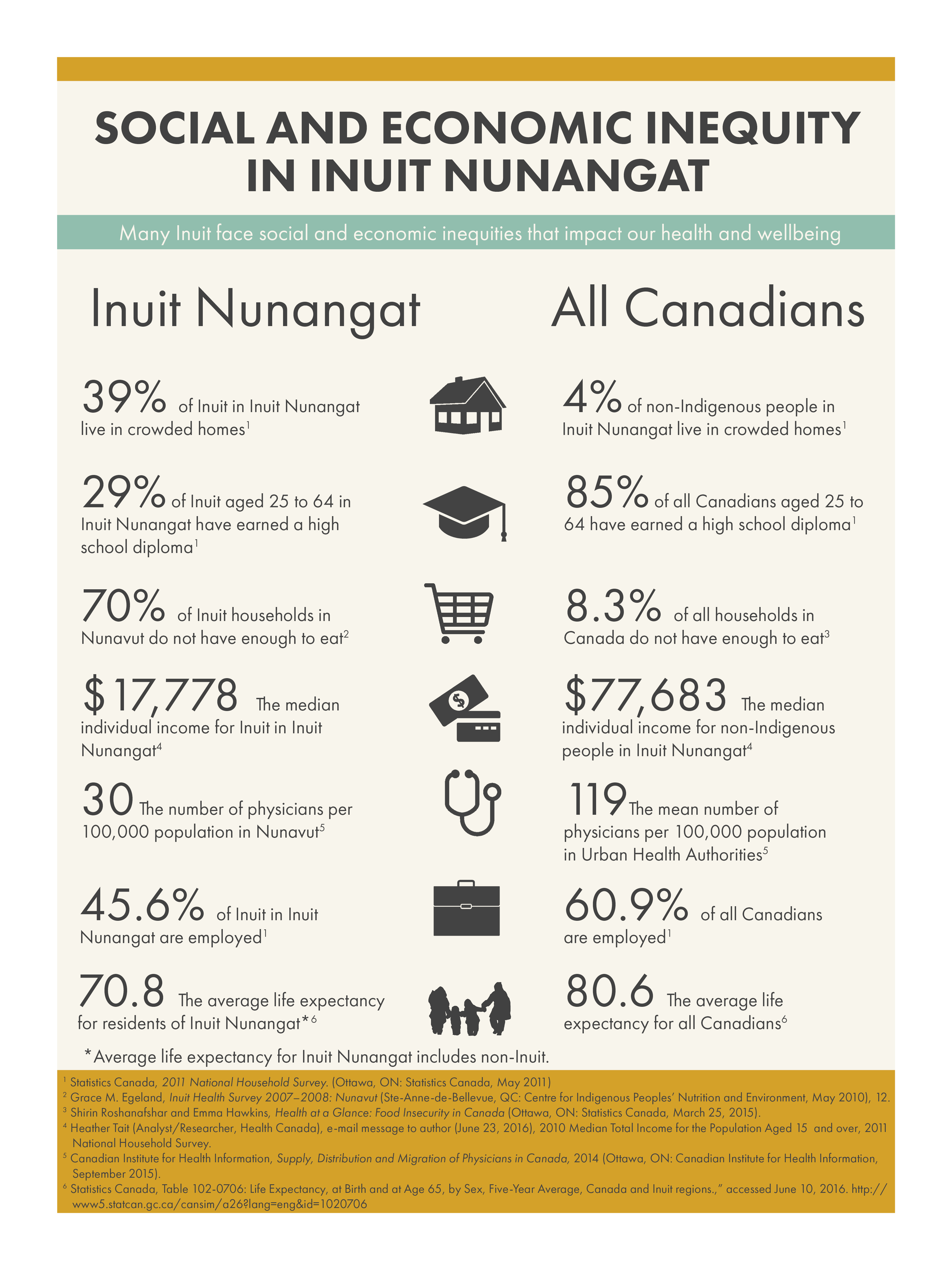
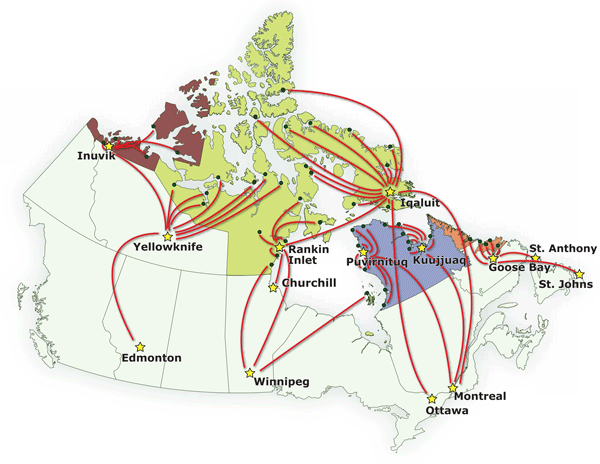
Through this work, I’ve been learning more deeply about the social determinants of Inuit health, the unfair health burden faced by Inuit as a result of gross inequities. We also learned more of about the tremendous challenges of serving a territory with the population of Moose Jaw spread over a land mass the size of Mexico, and doing so amid constant personnel and housing shortages and huge distances to cover with minimal infrastructure.
The challenges, and the harm to people’s health from the inequities, are real. It can be easy to focus only on the tough parts. Especially in February when the sun rises only briefly (if at all, depending how far North you are) and the wind tries to remove your face.
This trip, where I was able to see more of the community in the light of day, was a good reminder of the incredible strength that has allowed Inuit to survive and thrive in conditions that would be beyond most people. Chatting with patients and visiting providers, hearing about people’s lives, the love of family, love of the land: it was a joy to hear about people’s joys. I also took advantage of long days and warm weather to explore and hike the rocks around the community.


With shows coming up in a couple of weeks, I spent my evenings rehearsing. One sunny evening, I decided to go practice outside. I climbed to the top of the hill by the church with my guitar and played a while where I thought no one could hear me. I even perched my phone on the rocks and recorded a video of a Blue Umbrella song. Just as I was finishing, a girl and two little boys came running up from some nearby houses. They asked me if I was a singer. I said kind of, but mostly a doctor. They asked me to play them a song, so I played them one of mine. They tolerated it.
They then asked me to make up a song on the spot about sunshine. So I did, singing about the midnight sun melting the snow in Whale Cove, and putting their names in thee second verse. They laughed and beamed, and so did I.
So that Canadian experience I was talking about? Well, it’s census time, and there were three census-takers, Hugo, Carlos and Jeff, in town from Ontario going house-to-house, enumerating the people of Whale Cove. I’d been chatting with them, mostly apologizing for playing the guitar too loudly in my hotel room, and we got to talking about getting out on the land, and they’d heard there were caribou about ten km from town.
I had a couple of hours between finishing up at the Health Centre and catching my plane, so we took their rented truck out past the airport onto a rocky road that led out on the tundra. After driving for half an hour or so, past inukshuks and pothole lakes, we came upon a small cabin. We pulled off the road (important detail) and stopped to say hello. There we met Nasser. Nasser is from Iraq and has lived in Nunavut for nearly twenty years. He is married to an Inuk woman and likes to hunt caribou and fish for trout and char. While we were hearing his story, his stepdaughter Janelle pulled up on her ATV, her baby in the hood of her parka. After we chatted for a while, we decided it was time to turn back and get me to my flight.


The truck, and the wet sand Hugo had parked it in, had other ideas. We cleared the sand with shovels, wedged boards under the wheels, rocked back and forth like you do for a snowbank, and pushed with all our might. But every time the tires spun they just dug deeper. The other guys looked at me and said I needed to catch my flight, they’d get someone to come from town to tow them out.
So we strapped my guitar and bag to the back of Janelle’s Honda and I hopped on behind her and the baby, fast asleep again in the hood. We ripped off down the road, rounding the curves at speed, wind just cool enough to sting. Headed back home after another adventure, I thought about all the ways this minor misadventure represented the best of Canada. People from all over the country, newcomers and Indigenous, good humour, generosity to strangers, and a love of the land. I’ve rarely been happier.
What a wonderful post.Kinda love the song,too.